
Our Story
The Company
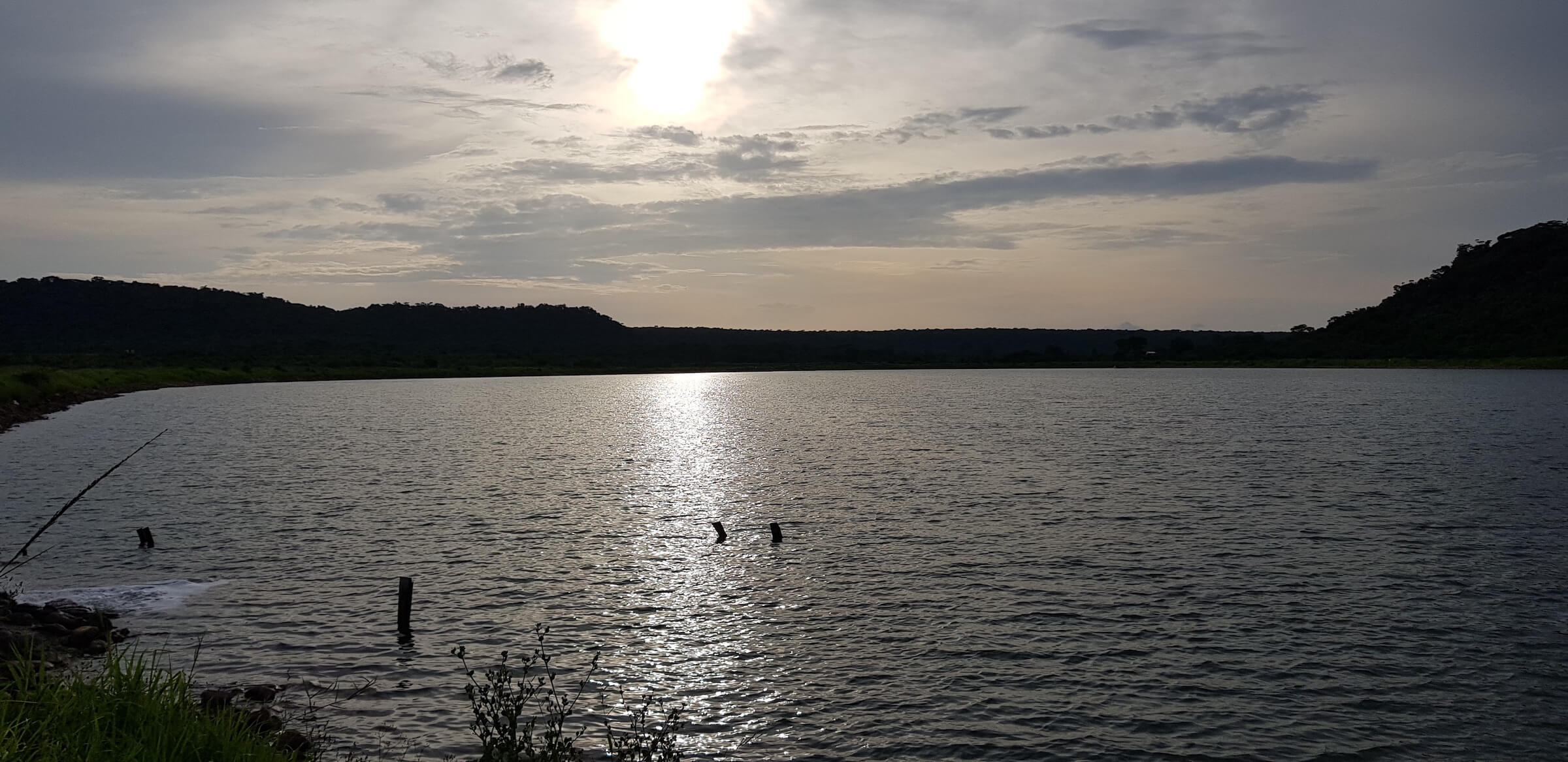
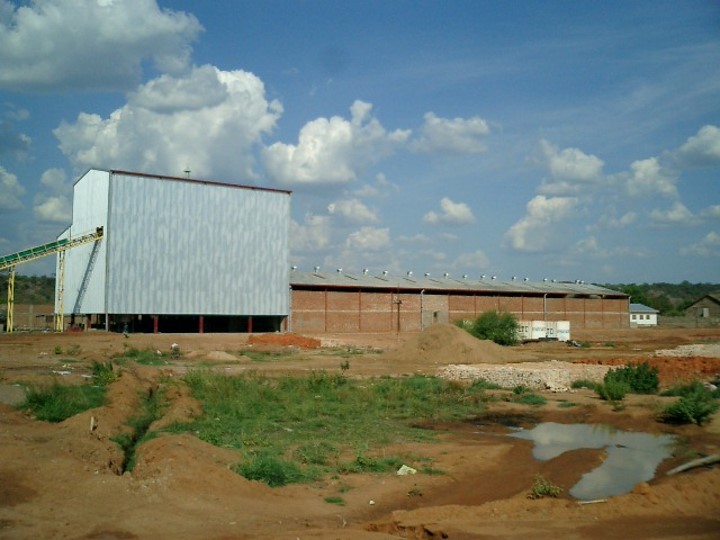
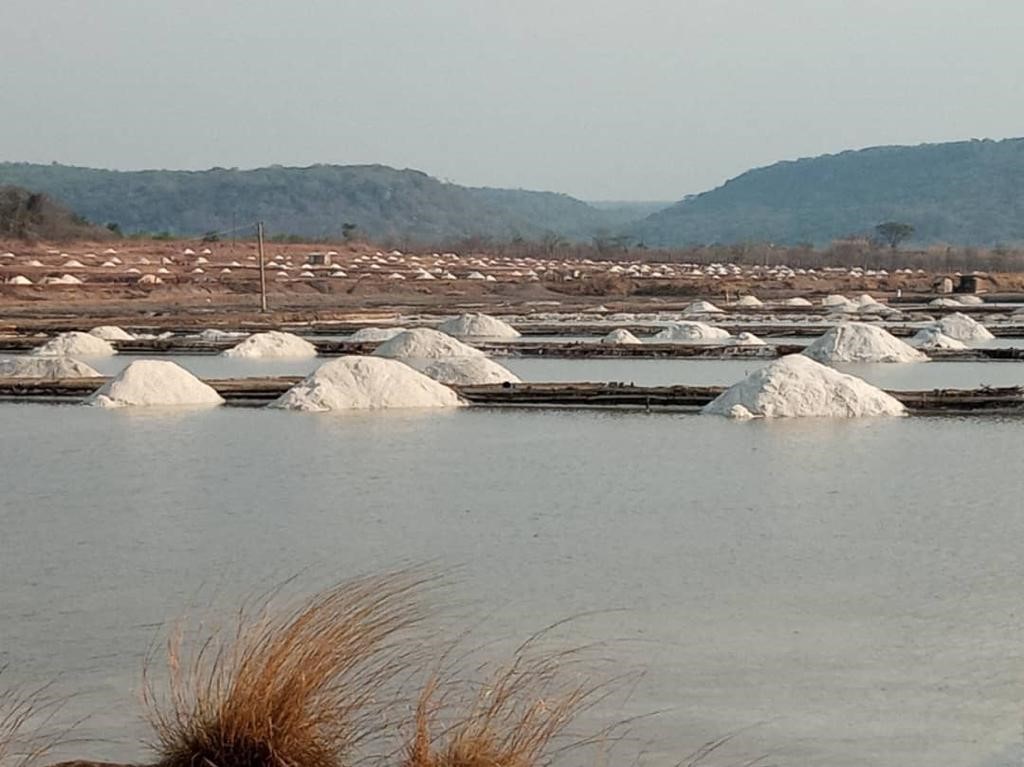
Nyanza Mines (Tanganyika) Limited is the leading salt production company in Tanzania, headquartered in Uvinza, Kigoma Region, in western Tanzania.
Located approximately 1,000 km from the coast and 100 km East of Kigoma town, Uvinza has a rich history of salt production dating back over 100 years. Commercial operations were formalized with the founding of Nyanza Mines in 1927 and Nyanza Mines (Tanganyika) Limited was established in April 1999.
Approximately 70% of our total production is exported to neighbouring landlocked countries, including: Burundi, Rwanda, and Democratic Republic of Congo (DRC).
Our strategic location and consistent quality have made Nyanza Mines a key player in the regional salt trade.
To meet growing demand and further enhance product quality, we are in the process of expanding our facilities. A modern salt refinery is under development, with a capacity to produce 20 tons/hour of refined and packaged salt. This project reflects our ongoing commitment to innovation, efficiency, and customer satisfaction.
The History of Uvinza
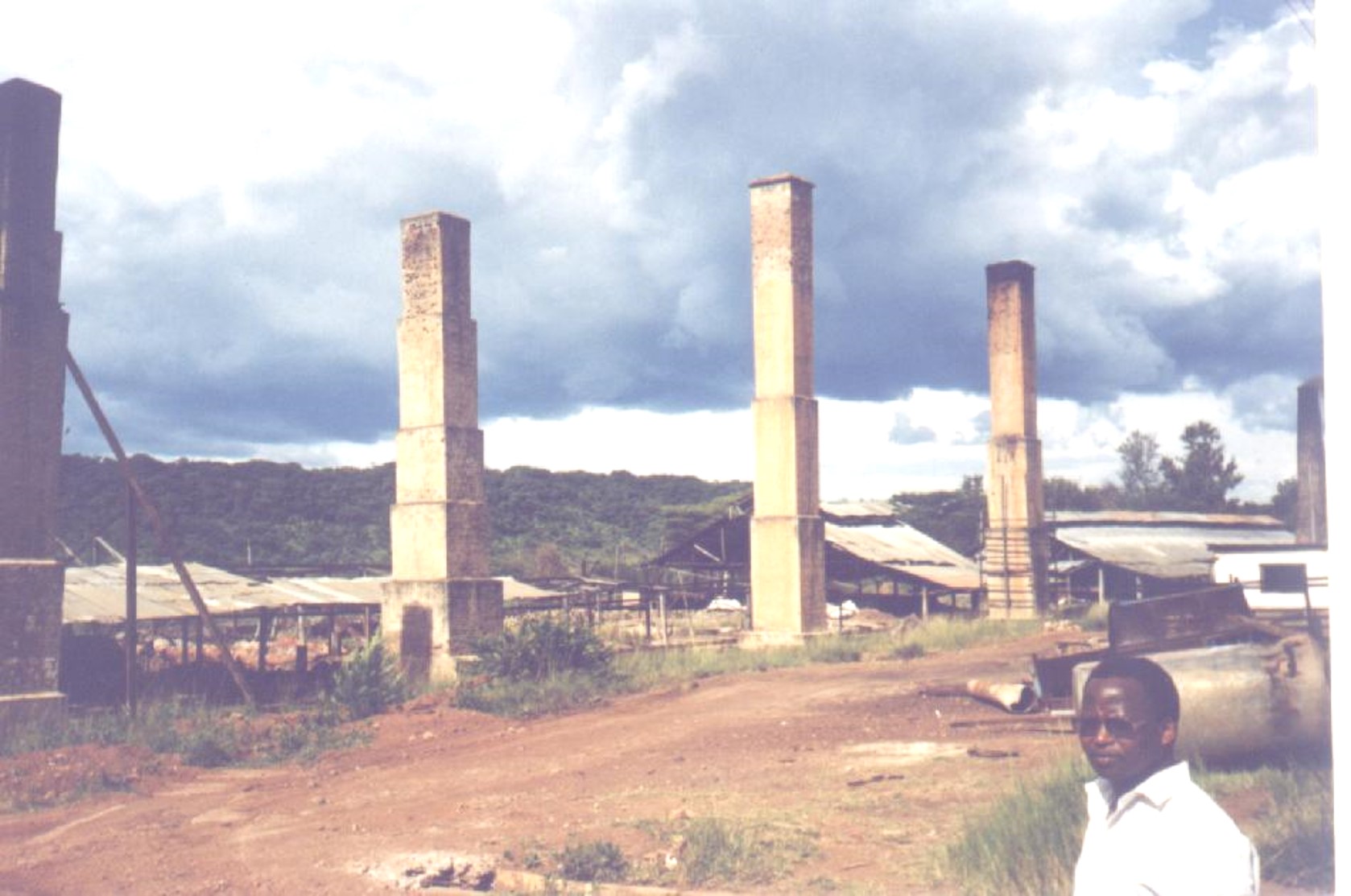
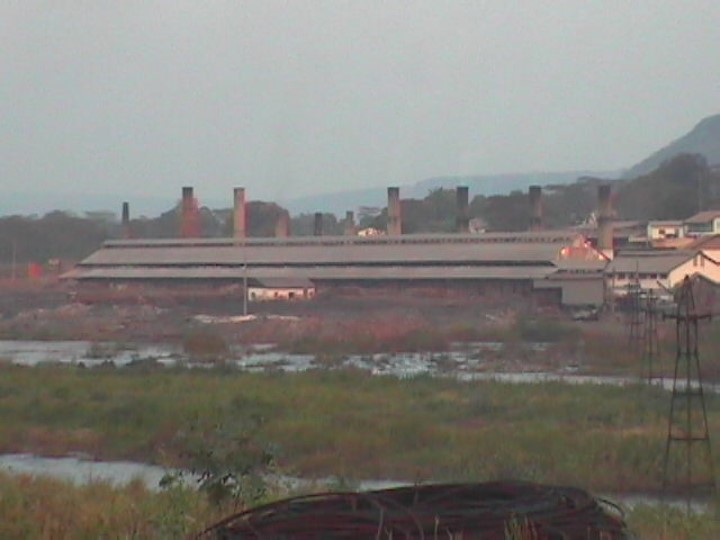
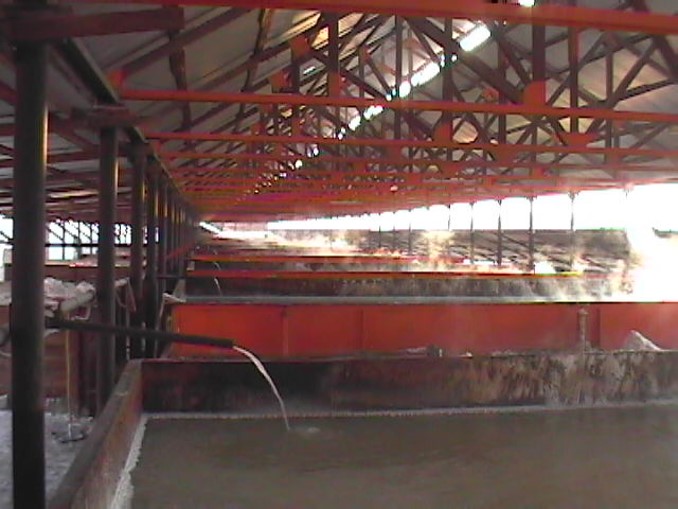
Uvinza, located in the Kigoma region of western Tanzania, has a rich and enduring history deeply rooted in salt production. For centuries, the area’s multiple brine springs have made it a strategic center for salt extraction, a resource the local Uvinza people skillfully harnessed.
Early History
The Vinza people, believed to have migrated from central Africa around 2,000 BC, settled in the fertile lands of Uvinza. Recognizing the economic value of the region’s abundant brine springs, they developed a thriving salt mining industry, trading the mineral with neighboring communities.
From time immemorial the Uvinza people have been producing salt from the naturally occurring brine springs in Uvinza District. Salt, found East of Lake Tanganyika, is the only mineral not found in the west side of Lake Tanganyika, thus becoming an important commodity of trade from one side to the other.
Pre-Colonial Era
German and British Colonial Periods
Post-Independence
Salt Production Legacy
From the Iron Age to today, Uvinza’s salt industry has demonstrated remarkable resilience. The continuity of production over millennia underscores the resource’s importance not just as a trade commodity but also as a defining element of the area’s cultural and economic identity.
Get in Touch
Nyanza Mines works with FMCG distributors and salt supply chain experts across East Africa. Karibu Tanzania!